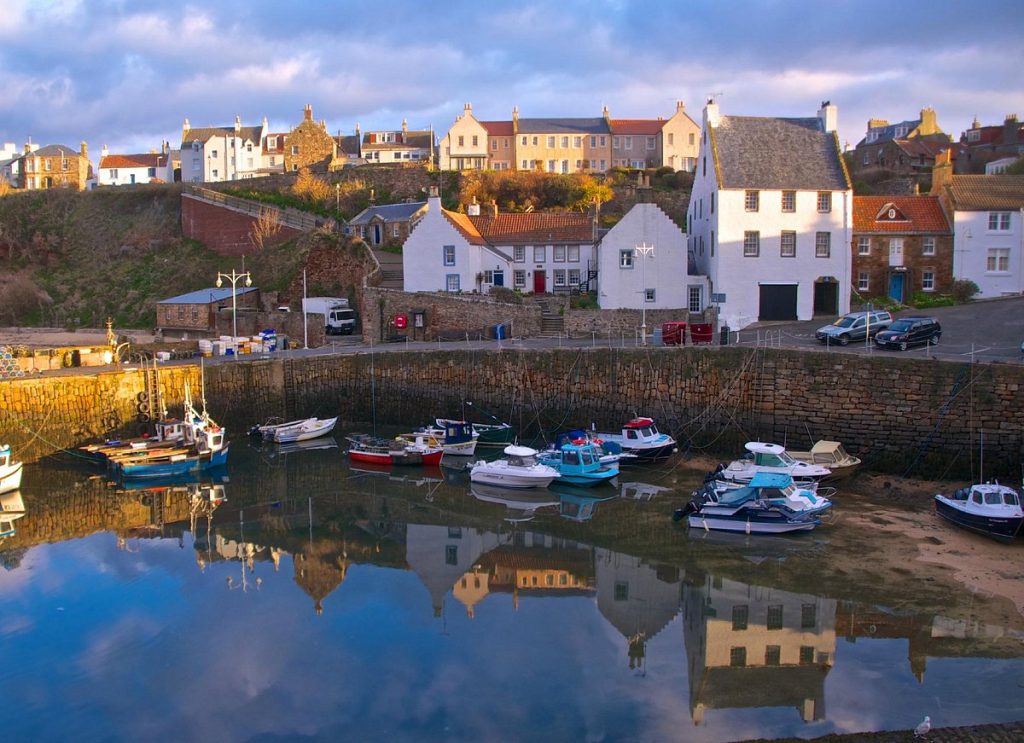
Why visit Crail
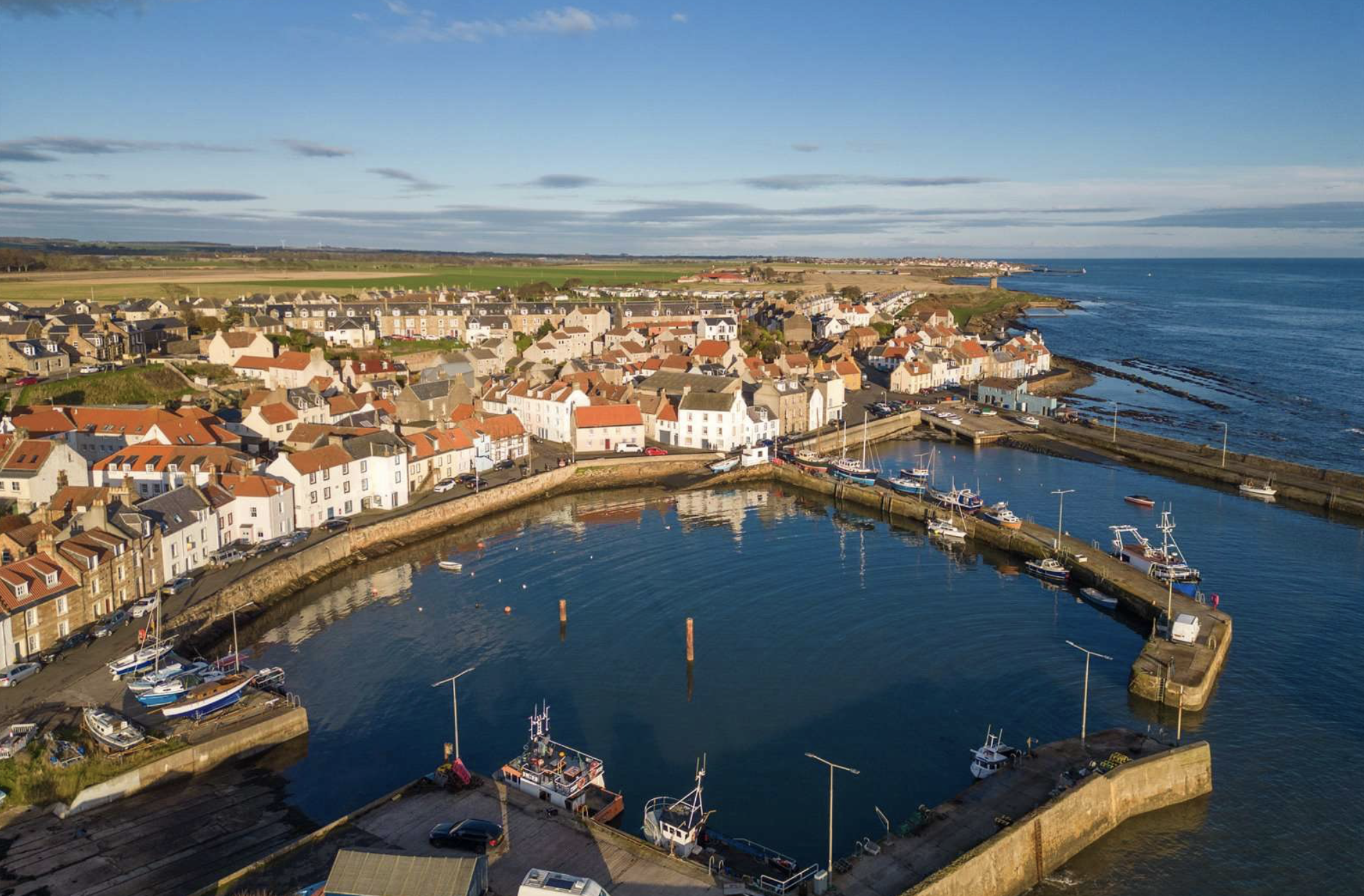
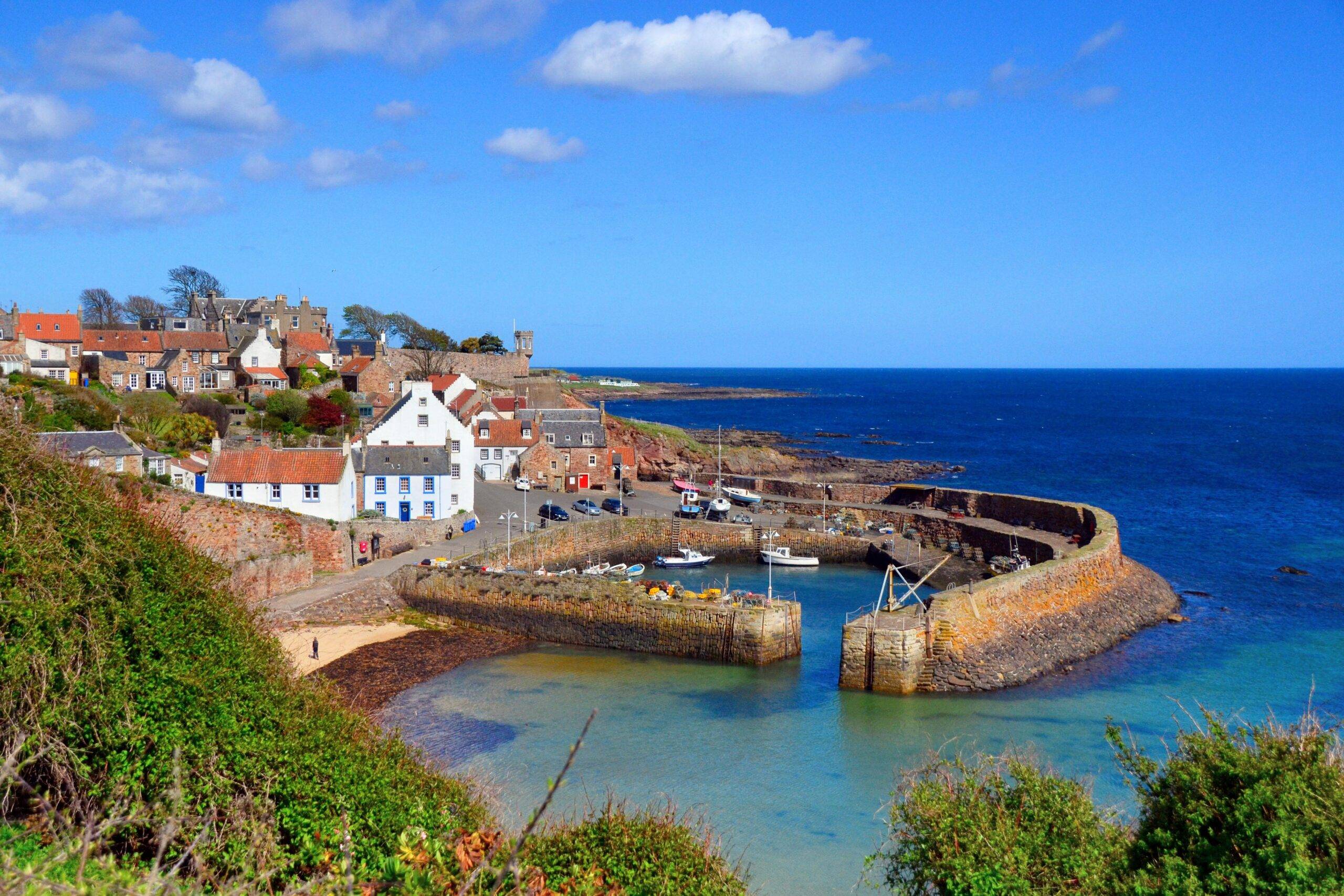
Crail wears its history in plain sight. It became a royal burgh in the Middle Ages and has kept the market square, tolbooth and pantiled houses that give the village its character. You’ll feel that age as you turn down Shoregate and see the snug stone harbour below. Local history groups record royal-burgh status and centuries of trade, which explains the grand feel for such a small place.
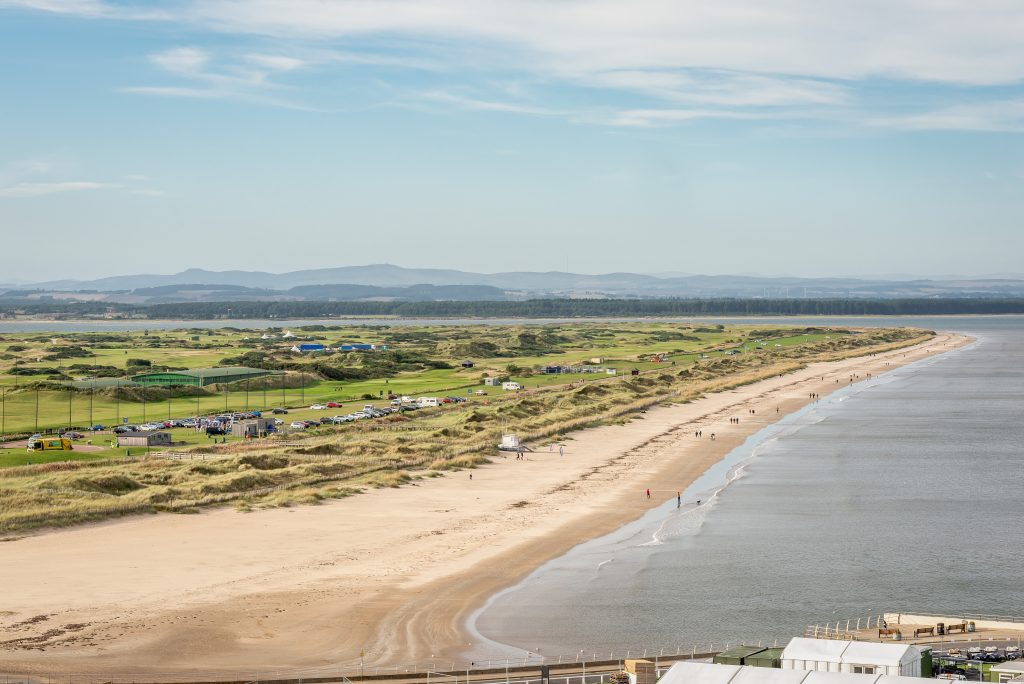
Nature and shore time come easily. Roome Bay faces south and mixes sand with rock pools and a grassy bank behind – a lovely spot for picnics with children. There’s even a small, disused paddling pool that’s become a haven for wildlife.
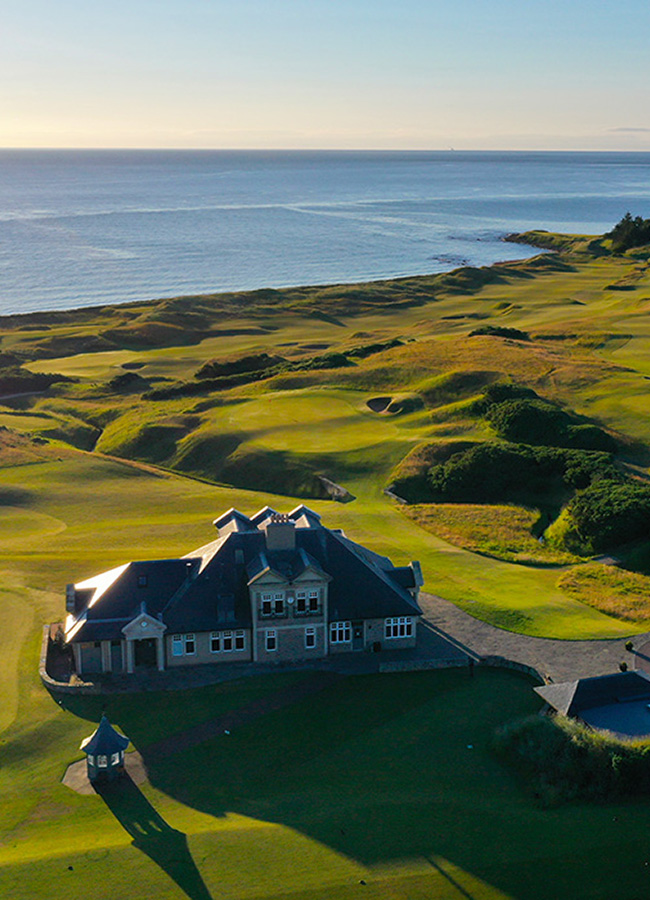
Golfers have heritage on the doorstep as well. Crail Golfing Society was founded in 1786, making it one of the oldest clubs in the world, with classic seaside tests at Balcomie and Craighead a few minutes east at Fife Ness.
Best time to visit Crail
Crail works all year round. Spring and autumn bring soft light to the harbours and fewer crowds on the coast path. Summer means long evenings and the prospect of lobster rolls at the harbour huts, paddling at Roome Bay, and day trips to wider sands nearby. Winter is quiet and good value – wrap up and aim for clear, crisp days.
For events, look at Crail Festival in July, which fills the village with music, family activities and arts for around ten days. The festival team publishes dates and a programme each year.
How to get to Crail
Most visitors come by road along the A917 from St Andrews. Parking in the village is limited on sunny weekends, so plan to park once and walk. Nethergate Car Park has 15 spaces and is a free option close to the centre; signs direct you to other small car parks and on-street bays.
Public transport is straightforward. From St Andrews, the 95 bus runs through the day to Crail, with stops on or near the High Street. From Edinburgh, Stagecoach X60 connects the capital with the East Neuk, and you can change for Crail in St Andrews or continue along the coast depending on the run. Check the current timetables before you travel.
Walkers often arrive on the Fife Coastal Path. Two friendly legs meet at Crail: Anstruther to Crail (about 6.75 km / 1.5–2 hours) and Crail to Kingsbarns (about 9.5 km / 3–3.5 hours). Both sections are well waymarked and low-level, with sea views and birdlife along the way.
Visiting Crail Harbour
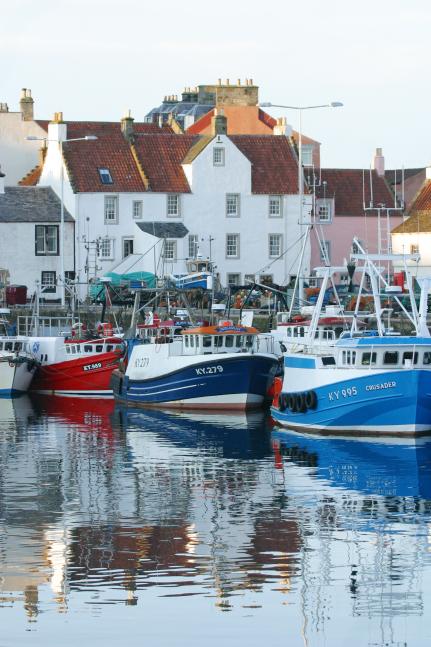
The harbour is the village’s heart. Fishing boats still use the small basin, and you’ll often find sketchers and photographers on the pier. The shallow entrance is one reason it feels like a pocket-sized time capsule rather than a marina. Sit on the wall with a warm drink from the Crail Harbour Gallery & Tearoom above, which opens seven days and serves indoors and in the courtyard when the weather allows.
Local food and seafood options
On good days in season, follow your nose to Reilly & Sons at the Lobster Hut on the harbour. Order dressed crab or a hot lobster roll and eat by the water. Opening is weather and season dependent, with regular updates on their social channels and the local tourism site listing a typical summer window. For a sit-down meal, The Golf Hotel on the High Street serves all day and leans on local produce, including seafood when available.
Where to stay in Crail
Self-catering is the easy choice here. You get space to spread out, a proper kitchen to make the most of local seafood, and a home base close to the shore. Short Stay St Andrews manages well-equipped holiday lets across Crail and the East Neuk – fast Wi-Fi, hotel-grade linens, guest support, and digital guidebooks that cover essentials like parking, buses and tide tips. It suits families, golfers with kit, and travellers who prefer quiet evenings by the fire to hotel lobbies.
Things to do & top attractions
Crail Museum & Heritage Centre
A compact, volunteer-run museum on Marketgate with exhibitions on seafaring, the burgh’s royal status, local aviation history, and the story of Crail Golfing Society. It opens seasonally (roughly late spring to mid-autumn); check the museum’s site for current days and times before you go.
Roome Bay
A calm, south-facing cove with rock pools, a grassy bank and a playground above. It’s handy for an hour with children or a quiet sit with a book.
Crail Pottery
A courtyard studio and shop in the middle of the village, open most days, with hand-thrown stoneware and bright earthenware to take home. It’s a good rainy-day stop and a lovely place for gifts.
Fife Ness and birdwatching
At the eastern tip, Fife Ness and the Kilminning Coast reserves draw birders in migration seasons. Expect seabirds offshore and warblers in the scrub, with dolphins a possible bonus.
Coastal walks from Crail
West to Anstruther delivers carved red sandstone at Caiplie Caves, fishing heritage in Cellardyke, and café stops on the waterfront. The official route card puts the stage at 6.75 km and 1.5-2 hours. North to Kingsbarns gives bigger skies and open shore, 9.5 km and 3-3.5 hours on the path.
Suggested itineraries (day trips & longer stays)
Day trip from St Andrews
Catch the 95 bus to Crail and hop off near the High Street. Wander to Roome Bay for a sea-level start, then climb to the market square and Crail Museum if it’s open. Drop to the harbour for lunch – Reilly & Sons in season or the Harbour Gallery & Tearoom year-round – then walk a stretch towards Caiplie Caves before bussing back.
Weekend in Crail
Day one for the village. Roome Bay after breakfast, pottery browsing, and a slow afternoon sketching or photographing the harbour. Day two on the Fife Coastal Path towards Kingsbarns with a picnic, or west to Anstruther for ice-cream and fishing-museum browsing before a bus home. If the festival’s in town, weave in an evening show.
Three to four days
Add golf at Crail Golfing Society (book ahead), a birding circuit at Fife Ness, and a loop to St Andrews for the museums and big beaches. Keep one flexible morning for weather: if the wind drops, go early for photos on the pier and a long lens west to the Isle of May.
Practical tips that make a difference
Tides shape your day on this shore. Low tide reveals more rock pools at Roome Bay and safe ledges for photos near the harbour; mid-to-high tide shortens beach space. If you plan a long coastal section, check tide times and be aware of occasional pinch points where the path moves inland at higher water.
Wear sturdy shoes. The shore can be slick after rain, and the approach to Caiplie Caves crosses muddy ground in places. If you’re here in summer, bring a refillable bottle and a tote for beach bits; bins are limited away from the centre.
FAQs
What is Crail best known for?
It’s a picture-book harbour, medieval market town layout, and long history as a royal burgh. Roome Bay, the harbour, and the links at Crail Golfing Society are the headline sights.
How do I get to Crail from St Andrews?
Take the 95 bus from St Andrews Bus Station to Crail in around 25-35 minutes, depending on stops. Driving the A917 is quick too, but parking is limited at peak times.
What are the top attractions in Crail?
Crail Harbour, Roome Bay, Crail Museum, Crail Pottery, and coastal-path legs to Caiplie Caves or Fife Ness. Golfers should add the Crail Golfing Society too.
When is the best time to visit Crail?
Late spring to early autumn for long light and outdoor days. July adds the Crail Festival. Winter is quieter and good for coastal walks on calm, clear days.
Can you walk from Crail to Anstruther?
Yes. It’s 6.75 km on the Fife Coastal Path, usually 1.5-2 hours on simple terrain with Caiplie Caves on the way. Bus back on the 95 if you don’t fancy an out-and-back.
Plan your Trip
Book a self-catering home near the harbour or Roome Bay with Short Stay St Andrews for space, kitchens and local support. Then browse our Things to Do in Crail and Walks to Do in Crail pages to line up your days. You’ll have cafés, the shore, and the coastal path all within a few minutes’ walk.