Essential Clothing for Golf in Scotland
Layers, layers, layers. When it comes to clothing for a St Andrews trip, layering should be number 1 on your golf trip checklist. Scottish coastal weather can change rapidly. It might be sunny one hour and misty with a cool breeze the next. By wearing layers, you can add or shed clothing to stay comfortable throughout the day.
Start with a good moisture-wicking base layer (thermal top or compression shirt on cooler days) to keep you warm without bulk. On top of that, pack plenty of mid-layers: polo shirts, lightweight sweaters or fleeces, and a vest or gilet.
Collared golf shirts (short-sleeve and long-sleeve) are a must for meeting dress codes; performance fabrics that dry quickly are ideal, since you may get caught in a bit of rain or drizzle intermittently.
A waterproof and windproof outer layer is absolutely essential in Scotland. Bring a quality golf rain jacket and rain pants that you can easily throw on when the clouds roll in. Even in summer, an extra windbreaker or softshell jacket can cut the chill on a breezy day by the sea. It’s wise to have at least one pair of waterproof golf trousers or pants made of water-resistant material. Morning dew and surprise showers can leave regular pants soaked and uncomfortable. Many experienced Scottish golfers also wear breathable base layer leggings under their trousers on colder days (spring or autumn rounds).
Don’t forget your extremities: pack a wool or thermal hat (beanie) for cold mornings and a cap or sunhat for the rare sunny spells (yes, the sun does shine in St Andrews, and the long daylight in summer can be surprisingly intense on clear days).
A neck gaiter or buff can be a versatile item to keep your neck warm in wind or serve as an extra face covering in biting cold. Also, bring plenty of socks, including thermal or merino wool socks for walking 18+ holes. Your feet will thank you for the cushioning and warmth.
Finally, while golf attire tends to be functional, you might also want a smart casual outfit (like a collared shirt and nice sweater with chinos) for dining out or if you plan to visit a clubhouse with dress code rules. For instance, the Old Course’s Swilcan Lounge or some private clubhouses in town might appreciate a slightly tidier look than just golf wear.
Golf Equipment to Bring (or Rent)
Deciding which golf equipment to pack versus rent on-site is an important consideration. Let’s start with the big question:
Clubs
If you love your own clubs and can’t imagine playing without them, invest in a sturdy travel golf bag (travel cover) to protect them during flights.
Use a club protector rod (a telescopic stick or a broom handle works too) inside your bag. It takes the brunt of any impact instead of your clubheads if dropped. Also, wrap club heads in bubble wrap or clothing for extra padding, and consider removing the heads of adjustable drivers or woods to pack separately (just remember to bring the wrench to put them back on).
A bonus tip: stuff a few pieces of clothing (like socks or a jacket) around your clubs in the travel bag. It provides cushioning and saves space in your luggage.
If lugging your clubs through airports doesn’t appeal, renting clubs in St Andrews is very feasible. Major courses have quality sets available. The St Andrews Links Trust courses offer club hire right at the clubhouse (often the latest Callaway or TaylorMade sets).
There are also local golf shops in town that rent sets, sometimes at better rates for multi-day use, try here. Renting saves the hassle of airline fees and potential damage to your gear. However, if you’re particular about your clubs’ performance or you play with custom-fitted irons, bringing your own might outweigh the inconvenience.
Golf shoes
Good shoes are a must. Comfortable, broken-in shoes with good traction (soft spikes or spikeless with grip) will serve you well on potentially damp turf. Pack an extra pair of shoes if you have room, if one pair gets soaked or muddy, you can rotate.
At minimum, bring extra insoles or drying inserts; you can stuff shoes with newspaper overnight to help dry them as well.
Pack plenty of gloves
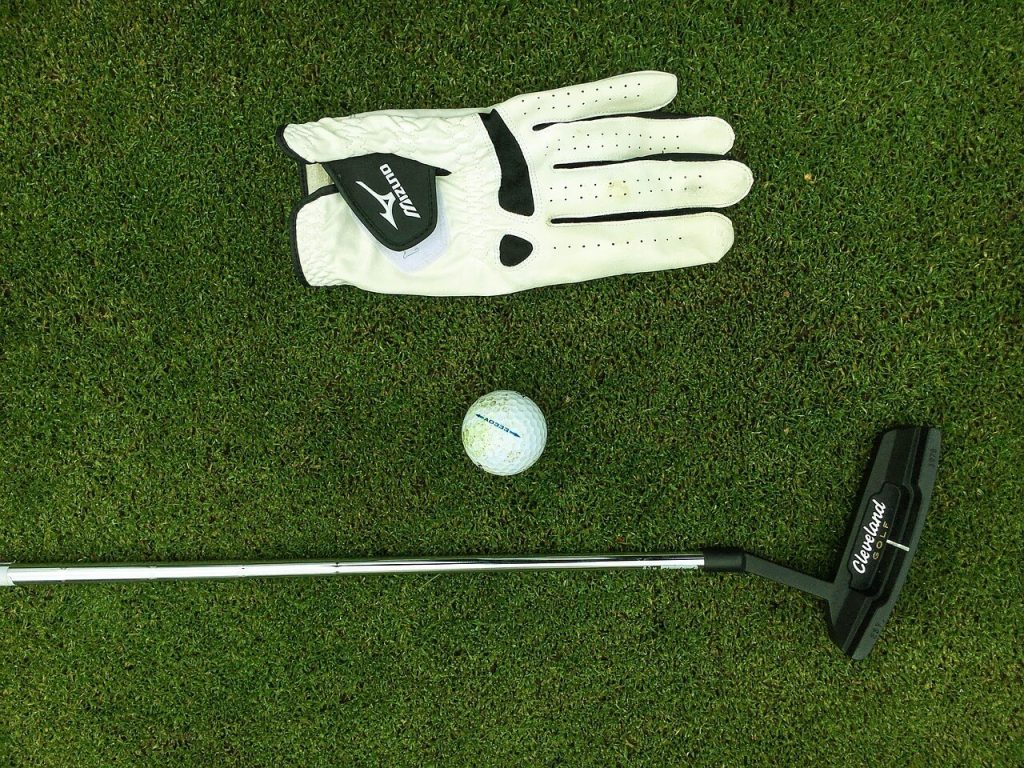
The humidity and rain in Scotland can chew through gloves quickly. Bring a couple of all-weather or rain gloves too; they’re designed to maintain grip even when wet (in fact, some rain gloves get tackier with moisture).
Golf balls and accessories:
Balls can be more expensive at resort pro shops, so bring enough of your preferred brand. Keep in mind that links courses often have thick rough or gorse bushes; losing a few balls is common, especially if the wind is howling.
Pack more balls than you think you’ll need (a good rule is at least a dozen per week of play, more if you’re erratic off the tee or playing very challenging courses).
Also pack plenty of tees, including some shorter ones for iron or hybrid tee shots on windy days. A divot repair tool and a couple of ball markers (maybe a special St Andrews one you purchase as a souvenir) should be in your bag.
Additional gear
Consider a rangefinder or GPS device if you use one. They can be handy on unfamiliar courses. However, note that if you take a caddie on some rounds, they will handle distances for you, and devices might not be allowed in certain competitions (casual play is fine).
A yardage guide or course planner book is available for purchase at most courses; some golfers love collecting these as mementos and for reference during play.
If you have room, a lightweight stand bag or even a collapsible travel bag (Sunday bag) can be useful if you plan to carry rather than use a trolley. Generally if you bring your clubs in a larger travel bag, you’ll use your regular golf bag on course.
Speaking of trolleys (push carts), virtually every course in St Andrews has them for rent, so no need to bring your own wheels.
Weather-Proofing Your Trip
Scottish weather is famously unpredictable. “if you don’t like the weather, just wait 10 minutes,” the saying goes. To ensure a little rain (or a lot of wind) doesn’t ruin your golf, pack dedicated rain gear and weather accessories. Your top priority:
Waterproof golf jacket and rain pants
Look for Gore-Tex or similar technology that is truly rainproof but also breathable so you’re not sweating underneath. Test that you can swing comfortably in the rain suit; freedom of movement is key. It’s worth investing in rain gear that keeps you dry through a downpour. It can make the difference between soldiering on through 18 holes or shivering your way back to the clubhouse early.
Umbrella
A common sight in Scottish golf, but use it wisely. A sturdy, wind-resistant golf umbrella (double canopy design) will help in a light rain, especially if there’s not much wind. But on exposed links, a strong gust can turn any umbrella inside out. Use it during moderate rain if feasible, but know when to give up and rely on your clothing . Sometimes it’s so windy that a brolly is more trouble than it’s worth.
Rain hood or cover for your golf bag
Many stand bags have built-in rain hoods; check that you have yours packed. This will keep your clubs and grips from getting soaked when the rain comes sideways.
Pack a few extra golf towels
One for wiping clubs/balls and one to keep under your umbrella or in a plastic bag as a dry backup. Microfiber towels that dry quickly are ideal. Some golfers attach multiple towels to their bag: one on the outside and one tucked inside the top of the bag to swap out.
Rain gloves
Your hands are crucial to keep dry and warm for grip. Definitely include rain gloves in your kit; unlike regular gloves, rain gloves are designed to perform better when wet, the wetter they get, the more grip they provide. They can be a lifesaver in a steady rain. Also, bring winter gloves (mitts) or hand warmers if you’re playing in the cold. You can wear mittens between shots or use reusable heat packs in your pockets to keep feeling in your fingers.
Sun and skin protection
It might not be the first thing you think of for Scotland, but if you catch a sunny spell, the UV can surprise you, especially with long hours of daylight in summer. Pack a cap or visor for sun, and a small tube of sunscreen to use on clear days. Even if it’s cool, you can get sunburnt when out for 4+ hours. A pair of polarised sunglasses will not only protect your eyes but also help you follow the flight of your ball against bright or overcast skies.
Lastly, “weather-proofing” includes being ready for mud underfoot. Pack lightweight waterproof booties or over-shoe covers if you really want to keep your feet dry walking to and from courses, though this is optional. At minimum, have a plan for drying things: for example, a portable travel clothesline or some hangers to dry jackets and pants in your accommodation, and maybe a small packet of laundry detergent if you’ll wash your clothes (many self-catering properties have washers/dryers, which can be a blessing on a golf trip). By packing smart for the weather, you’ll embody the motto that “there’s no such thing as bad weather, only the wrong clothes” you’ll be ready to golf come rain or shine.
Travel Tips for Packing Light
Between golf equipment and weather gear, it’s easy for your luggage to grow unwieldy. Here are some travel tips to pack efficiently and keep your bags manageable:
- Use a Golf Travel Bag Wisely: If you’re bringing your clubs, your travel golf case can also hold other items. Tuck your golf shoes, balls, rain gear, and even some clothing into the nooks of the golf bag. Soft items like shirts or socks can cushion your club heads. This not only protects your clubs but also frees space in your regular suitcase. Just be mindful of weight limits – a golf bag loaded with extras can quickly exceed airline weight allowances (usually 23kg or 50lbs for a checked bag).
- Pack Versatile Clothing: Choose apparel that can serve multiple purposes. For example, a quarter-zip golf sweater can be worn on the course or out to dinner. Dark-coloured trousers that are acceptable on the course might double as your casual evening pants. A lightweight polo in a nice style could be worn under a blazer (if you need something semi-formal) or on its own for golf. By minimising single-use items, you reduce how much you need to bring.
- Plan to Do Laundry: If your accommodation has a washer/dryer (Our properties do, which is great for golfers), you can pack half the clothing you’d otherwise need. Bring a little laundry detergent or use local shops to buy some, and do a wash halfway through your trip. This means you can re-wear base layers and golf pants. Packing for 4-5 days instead of 10 saves significant space.
- Travel Toiletries and First Aid: Keep toiletries minimal. Use travel-size bottles for shampoo, etc., or plan to purchase basics upon arrival (there are supermarkets in St Andrews for sunscreen, toothpaste, etc.). However, do pack some blister pads/band-aids and sports tape in your carry bag – walking 36 holes in a day can create hot spots on your feet, and you’ll want to patch them promptly to stay comfortable. A small first aid kit with pain relievers, anti-chafe balm, and any personal medications is important, but it doesn’t take much room.
- Limit Gadgets and Gear: It’s tempting to bring every gadget (speaker, tripod for swing filming, etc.), but ask yourself what you’ll really use. A compact phone tripod might be worthwhile if you plan to record swings on the Old Course, but maybe leave the heavy DSLR camera at home and rely on your smartphone for photos. Chargers and adapters are essential. Remember the UK uses Type G three-pin plugs, so bring at least one travel adapter for your devices and perhaps a USB multi-charger to handle phone, watch, rangefinder, etc., all in one outlet. That will be lighter than multiple plug adapters.
- Choose One Outerwear Piece per Category: You likely don’t need three jackets. Pick one excellent rain jacket, one good mid-weight jacket, and one vest. Similarly, you probably don’t need numerous pairs of golf shoes; one primary pair and maybe a lightweight backup pair (or even comfortable sneakers you could golf in if needed) should suffice. Each extra pair of shoes adds bulk.
- Roll or Compress Clothing: To maximise luggage space, roll your clothes tightly or use compression packing cubes. Rolling reduces wrinkles and saves space. Roll up your golf polos and line them up in a cube or along your suitcase edge. Vacuum-seal bags are an option for bulky items like sweaters or jackets, but remember you’ll need access to a vacuum or strong squeezing for the return trip as well.
By packing smart and light, you’ll make moving through airports and into accommodations much easier. If you do end up with a lot of luggage (sometimes unavoidable on a golf trip), consider airport transfer services or renting a car with sufficient boot (trunk) space. The less time you spend worrying about your luggage, the more time you can spend enjoying your golf.
Extra Items You’ll Be Glad You Brought
Beyond the obvious clothes and clubs, there are a few miscellaneous items that can enhance your St Andrews golf trip experience or save the day in a pinch. Here’s a list of extras to consider:
- Power Adapter and Portable Charger: As mentioned, bring a UK power adapter (or two) so you can plug in your devices. Also carry a small portable battery pack for your phone or GPS. Long days on the course using a GPS app or taking photos can drain your battery, and a backup power bank ensures you won’t run out of juice. Especially important if your e-ticket details, maps, or contact info for tee times are on your phone.
- Daypack or Sling Bag: A lightweight, packable backpack can be extremely useful. Use it as your carry-on personal item on the plane (stuff it with your electronics or a change of clothes), then repurpose it during the trip for non-golf outings. For example, if you’re going to explore the St Andrews Castle ruins or take a day trip to Edinburgh, you have a small bag to carry water, snacks, a jacket, etc. It’s also handy for carrying souvenirs or an extra layer when you’re walking around town or spectating at a golf event.
- Snacks and Water Bottle: Pack a reusable water bottle (and remember to keep hydrated on the course, even if the weather is cool). In Scotland you can drink tap water safely, so refilling is easy and it saves buying many plastic bottles. For snacks, you might throw a couple of your favourite energy bars or packs of trail mix into your luggage. Having a familiar snack during a round can be a boon, especially if the turn (halfway house) doesn’t have something you like or is closed. Of course, you can also stock up on snacks at local stores, but bringing a few to start is always nice.
- Handicap Certificate & Important Documents: This is often overlooked – if you plan to play the Old Course or certain private clubs, bring proof of your golf handicap. A simple printout from your club or the official handicap card will do. Also have any confirmation letters for tee times or accommodations (digital or print). While almost everything is digital now, it’s wise to have backups. Keep these in your carry-on. Additionally, bring your driver’s license if you intend to rent a car and note that in the UK you drive on the left side of the road (maybe bring a temporary GPS or plan to use your phone’s map for navigation).
- Small Umbrella or Travel Poncho: Apart from your main golf umbrella, a tiny fold-up umbrella or disposable poncho can be handy when you’re off the course. If it’s drizzling while you explore town or if you’re caught in rain between pubs, you’ll be glad to have a quick cover in your daypack.
- Binoculars (optional): If you’re a golf fan who might watch some championship or just want to enjoy the scenery, a compact pair of binoculars can be fun. For example, if you visit the British Golf Museum’s rooftop or watch players tee off the Old Course first tee, binoculars get you a closer look. Not a must, but a nice-to-have for some.
- Entertainment and Comforts: Think about the downtime too. Bring a book or download some movies on a tablet for long flights or mellow evenings. If you use earplugs or an eye mask to sleep, pack those (especially since Scottish summer nights stay light very late). A travel pillow for the plane or car rides between golf courses can also be a good addition.
- Cash & Credit Cards: Most places in St Andrews take credit/debit cards (contactless payment is widespread), but having a bit of British currency (pounds sterling) is useful for things like smaller pubs, taxis, or caddie tips. You might bring £ cash or use an ATM in town. Also, let your bank know you’ll be traveling to avoid card holds.
- Good Attitude and Flexibility: Lastly, it’s not a physical item, but pack your sense of adventure and patience. Scotland’s weather might throw curveballs; a round might get delayed by fog or a lost ball in gorse might happen. A flexible, upbeat mindset ensures you’ll make the best of every situation – whether it’s chatting with friendly locals during a rain delay or playing a secondary course when the Old Course ballot doesn’t go your way.
By checking off not just the basics but these extra items, you’ll be exceptionally well-prepared. Many travelers arrive in St Andrews wishing they had this or that – but with this checklist, you’ll likely have everything you need and more. Now, with your bags packed and ready, all that’s left is to get excited for the unforgettable golf experience that awaits you in St Andrews!
FAQs About Packing for Golf Trips
What should I pack for a golf trip to Scotland?
You should pack for versatility and weather changes. Key items include layered golf clothing (polos, sweaters, base layers), a waterproof rain suit (jacket and pants), a windproof jacket, and comfortable waterproof golf shoes. Don’t forget plenty of extra socks and gloves (including rain gloves). Bring your essential golf gear: clubs (or plan to rent), golf balls, tees, and a cap or beanie. Pack a quality umbrella, towel, and bag rain hood for weather protection. Off the course, have some casual clothing and perhaps a nicer outfit for evenings out. Also include a UK power adapter for devices, any medications, and personal items like sunscreen and a first-aid kit for blisters. Essentially, prepare for layers, rain, wind, and the activities you’ll do when not golfing. Our checklist above covers all the specifics to ensure you’re fully prepared.
Can I rent golf clubs in St Andrews?
Yes, you can rent golf clubs in St Andrews very easily. All seven St Andrews Links courses (including the Old, New, Jubilee, etc.) have club rental services – you can reserve a set when you book your tee time or request one upon arrival (availability is generally good, but in peak season it’s wise to book in advance). The rental sets are usually current models from major brands and come with a full complement of clubs. Additionally, many other courses in the area (Kingsbarns, Carnoustie, etc.) offer quality club rentals for visitors. There are also local golf shops in town that rent clubs by the day or week.
For example, some visitors rent a set from a shop for their whole trip, allowing them to play multiple courses without bringing their own bag. Prices for rentals can range roughly from £40-£60 per round or per day, depending on the location and equipment. If you’re picky about clubs (shaft flex, etc.), check in advance what brands and specifications are available. Otherwise, save the hassle of lugging your clubs. Renting in St Andrews is convenient and the gear is good quality.
What’s the dress code for St Andrews courses?
All the courses operated by St Andrews Links (Old, New, Jubilee, etc.) and most clubs in Scotland have a traditional golf dress code. This means collared shirts or smart golf tops, golf trousers or tailored shorts (usually shorts should be knee-length and you might be asked to wear long socks with shorts at some old-fashioned clubs, but that’s less common now). Jeans, t-shirts, and trainers (sneakers) are generally not allowed on proper golf courses. Golf courses expect you to wear golf shoes (soft spikes or spikeless) on the course. For women, golf shirts (with collar or appropriate golf-specific tops), slacks, capri pants, skirts or skorts of appropriate length, and golf sweaters/jackets are all fine.
The Old Course and other St Andrews public courses do not have any requirement for a jacket-and-tie or anything overly formal. They’re quite used to golfers from all over, as long as you look like a golfer and not in beachwear or ripped jeans, you’ll be fine. One unique requirement: to enter the Old Course itself (play or even walk on it on Sundays when it’s closed for play) you must be wearing golf shoes or flat-soled athletic shoes, high heels, for example, aren’t allowed as they can damage the turf.
If you visit private clubs or certain clubhouse lounges, there might be slightly stricter rules. For instance, the Royal & Ancient Club (if you’re lucky enough to be invited inside) or the St Andrews Golf Club have formal areas requiring jacket and tie. But for typical visitors sticking to public courses and restaurants, smart casual golf attire is perfect. It’s always a good idea to carry a light sweater or pullover – not just for weather, but also because some clubhouses don’t allow men in sleeveless shirts (so if you wear a polo, you’re fine; just don’t go shirtless or in a vest undershirt). In summary: dress like you would at any nice golf course – collared shirt, proper pants/shorts, golf shoes – and you’ll meet the St Andrews dress code with no issues.
Should I pack rain gear in summer?
Absolutely, yes. Even in summer, Scotland’s weather can be unpredictable. July and August have the mildest temperatures, but rain is common in every month. In fact, a light rain or passing shower is just part of the Scottish golf experience. Packing your rain gear, a waterproof jacket, rain pants, and umbrella, in summer is wise.
You might go a few rounds without needing it if you’re lucky, but the one time you leave it behind, you can bet the clouds will roll in. Temperatures in summer can also be cool; an early morning tee time might be only 10°C (50°F) and breezy before it warms up later. So along with rain gear, pack a sweater or windbreaker for summer mornings and evenings. Many locals carry their rain jacket in the golf bag year-round, come July or January.
As the saying goes, prepare for all four seasons in one day. On a summer day in St Andrews, you might start in short sleeves, put on a rain jacket for a shower at noon, and need a sweater by a foggy evening. The good news is summer showers often pass quickly, and you could be back to sunshine on the 18th. But yes, bring that rain gear, even in the height of summer.
How do I protect clubs while flying?
Start with a quality travel golf bag or hard case. Hard-shell cases offer the best protection but can be bulky; soft travel bags (with padding) are lighter and often sufficient if you pack carefully. Inside the bag, use a stiff arm, a telescopic pole with a disc that extends taller than your longest club, or even a broom handle, to absorb impacts if the bag is dropped (so your club heads don’t take the force). Wrap your club heads with clothes, bubble wrap, or foam pipe insulation. Removing the heads from adjustable drivers/woods (and storing them in your carry-on or padded in the bag) can prevent bent shafts.
Before flying, tighten all the straps on your golf travel bag and consider securing them with an extra belt or bungee cord for redundancy. Some travellers even stick a “Fragile” tag on the bag (can’t hurt, though handling will vary). Make sure there’s identification on the bag, including a contact number. It’s also wise to not put valuables (rangefinder, GPS, expensive watch) in the checked golf bag, carry those on with you.
If you have room, placing your rain gear or some clothing around the clubs adds padding. Finally, when you retrieve your clubs, inspect them and if anything is amiss, report it immediately to the airline. Many golfers fly successfully with their clubs using these precautions. If you’re still worried, you could use a shipping service (like Ship Sticks or UPS) to send your clubs in advance, but that can be costly. With a good travel case and smart packing, your clubs should arrive in St Andrews ready to play the rounds of a lifetime.
By following our golf trip checklist and packing advice, you’ll arrive in St Andrews ready for whatever golf and Mother Nature throw at you. A well-packed bag means you can focus on enjoying the golf trip, knowing you have the right gear to stay comfortable and play your best. Now, with your checklist complete, you’re set to embark on an unforgettable golf adventure in the Home of Golf. Safe travels and happy golfing!